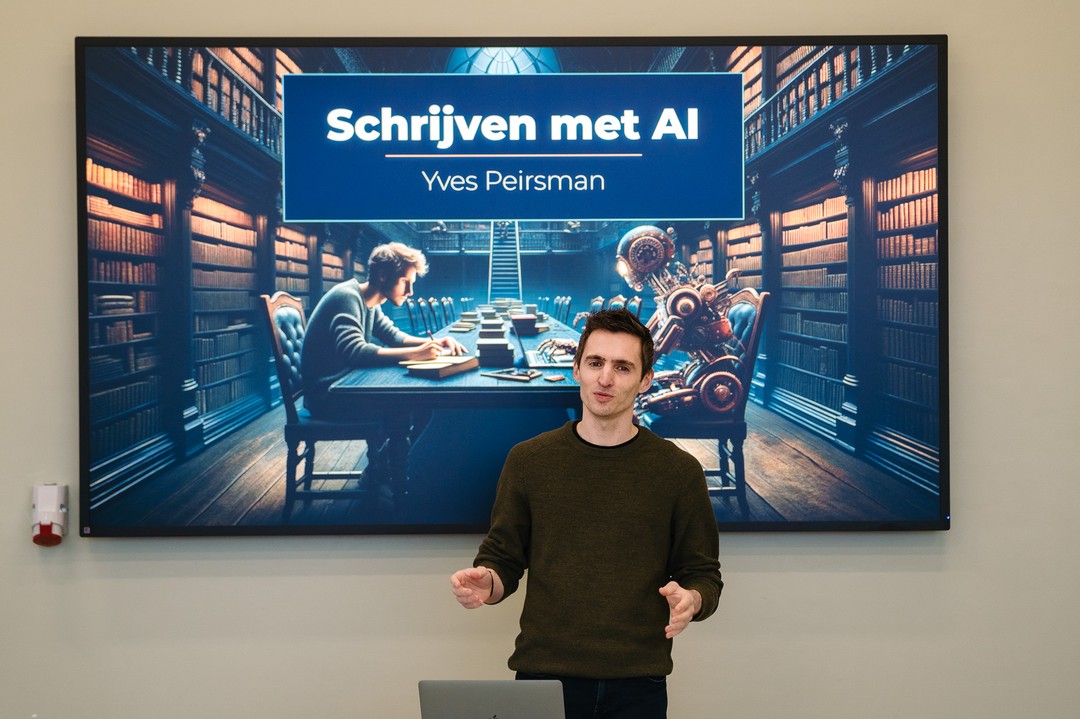
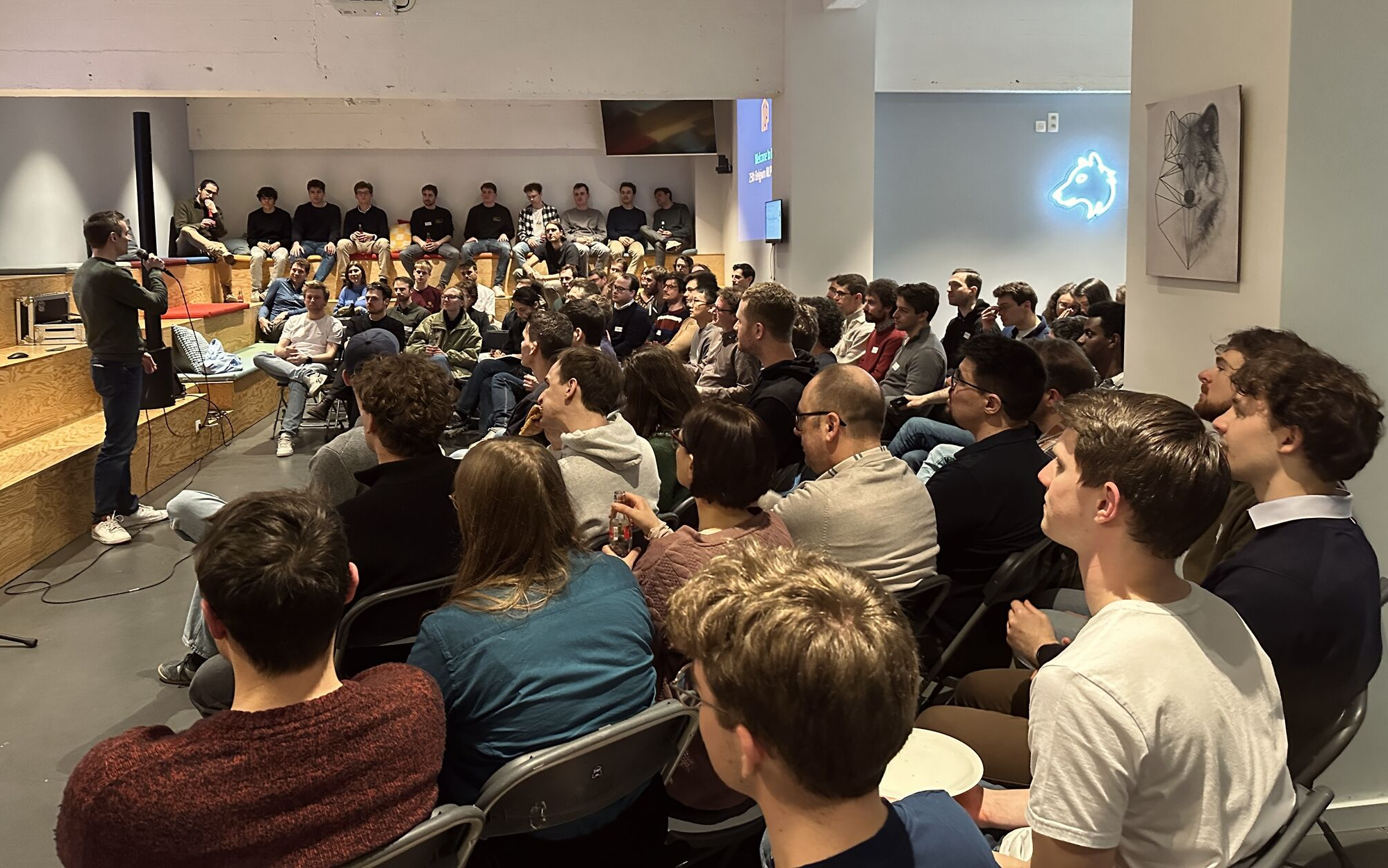
I run introductory and advanced workshops on generative AI. Clients compose a custom session from the modules below.
MODULE 01For everyone · Beginner
Introduction to Generative AI
Build a solid mental model of how generative AI actually works. We unpack how LLMs are trained, how standard and reasoning models differ, and clarify the distinctions between LLMs, chatbots, tools, and agents — so you can cut through the hype and understand what these systems can and can't do.
MODULE 02For professionals · Beginner & Intermediate
Prompt Engineering
Prompt engineering may not be as crucial as it used to be, but you still need to follow a few principles to write clear and effective prompts. We cover the techniques that consistently improve results, with practical examples you can apply right away.
MODULE 03For professionals · Beginner & Intermediate
Context Engineering
Prompts are just one piece of the puzzle. This module explores how to design the full context window to get reliable, high-quality responses. We cover custom instructions, memory, tools and retrieved knowledge, and explore common failure modes like context rot and strategies to reduce hallucinations.
MODULE 04For professionals · Advanced
Agentic AI
AI systems are increasingly acting autonomously: browsing the web, writing code, managing files, and coordinating with other agents. This module explains how agentic systems work — from tool use and multi-step reasoning to multi-agent architectures — and helps you think clearly about where they add value and where they introduce new risks.
MODULE 05For developers · Advanced
Coding with AI
Generative AI has transformed software development, from intelligent autocomplete to autonomous coding agents. This module explores how developers are using AI to write, review, debug, and refactor code, and covers the tools and workflows that actually improve productivity — GitHub Copilot, Cursor, Claude Code.
MODULE 06For researchers · All levels
Generative AI for Researchers
Discover how AI is reshaping academic research, from literature review and synthesis to writing and reviewing articles. We explore the capabilities of frontier research models and establish clear guidelines for responsible, transparent use that holds up to academic scrutiny.
MODULE 07For writers · All levels
Generative AI for Writers
Explore how writers are integrating AI across the entire creative process — from beating writer's block and developing ideas to drafting, revising, and editing. We take a hands-on look at purpose-built tools like Novelcrafter and Sudowrite, and discuss how to use them without losing your voice.
MODULE 08For everyone · All levels
Challenges and Ethical Issues
Generative AI brings real costs and risks. An honest look at the harder questions: AI-generated slop, unresolved copyright and plagiarism concerns, the environmental footprint of large models, and what responsible adoption looks like at an individual and organisational level.